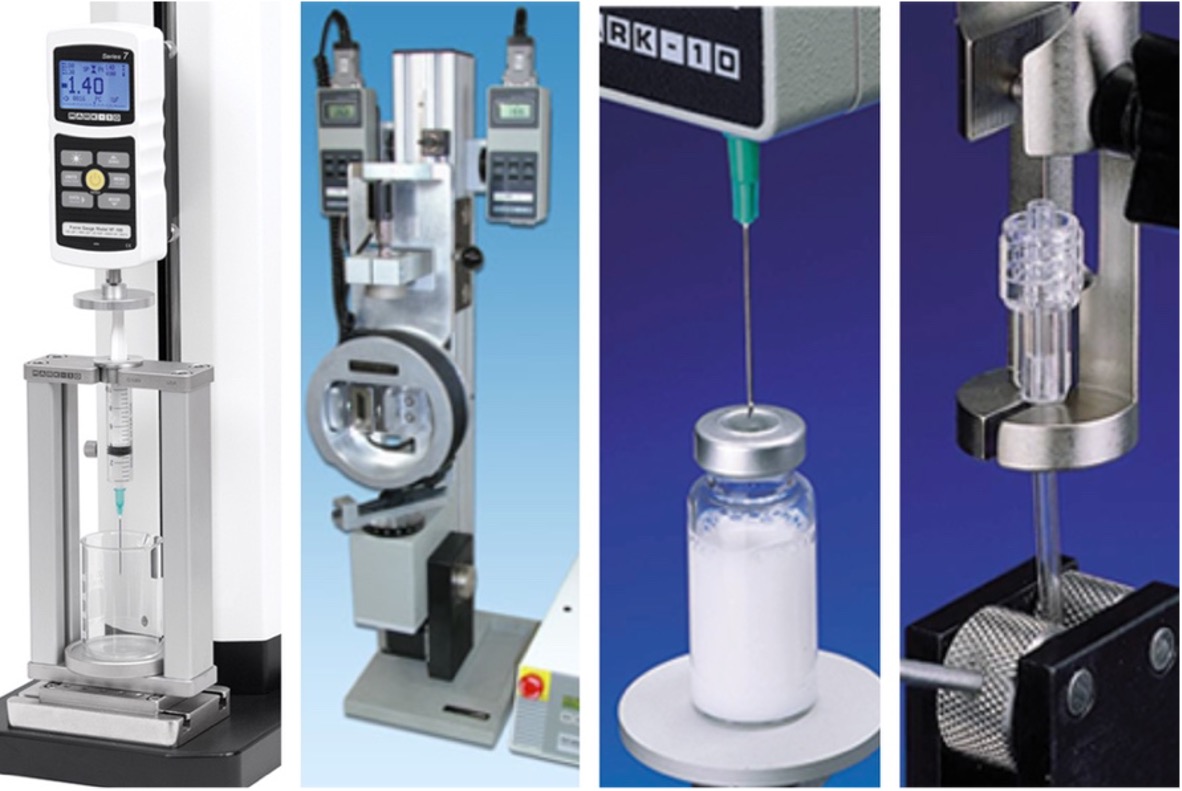
Those who manufacture medical devices and pharmaceutical products are held to incredibly high standards when it comes to force and torque testing – and for good reason. If a syringe plunger doesn't budge under normal force, a patient could miss a vital dose of medicine. If the sterile seal of a pouch containing surgical tools is breached, a surgeon could expose a patient to pathogens.
To keep patients safe and ensure devices, implants and medications function as intended, the researchers who develop new products – and the QC professionals who test them – must adhere to stringent industry standards. Conforming to those standards requires rigorous testing with reliable instruments that deliver accurate, repeatable results – which is why countless healthcare industry leaders rely on Mark-10's force and torque measurement equipment, including test frames, force sensors, grips, and accessories.
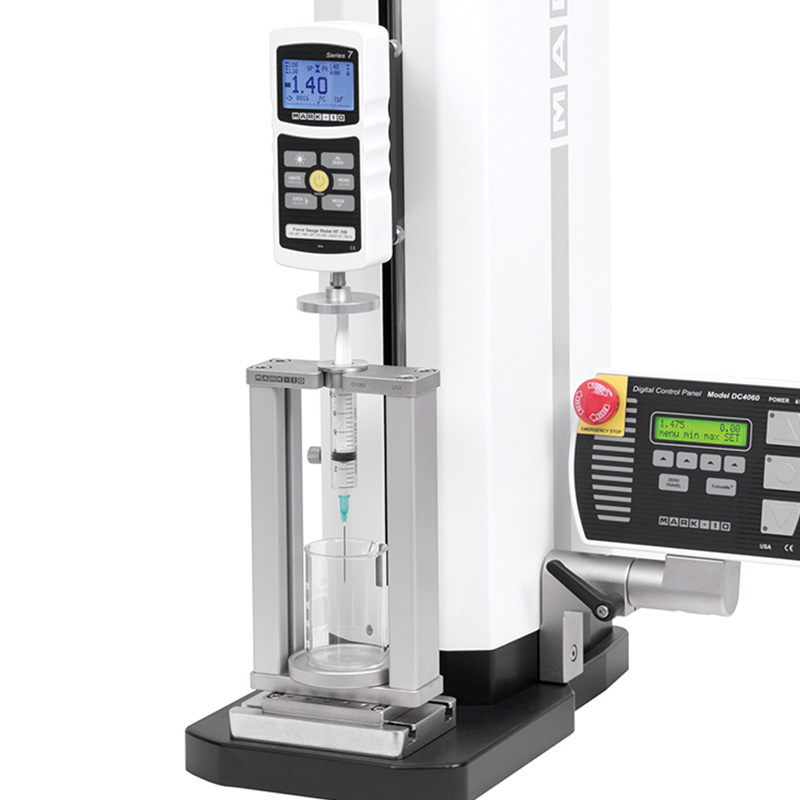
Syringe plunger force testing with a force tester




The Importance of Rigorous Testing
Many healthcare products must undergo force or torque testing before going to market, including:

Medical Devices
- ✓ Needles
- ✓ Syringes
- ✓ Surgical tools
- ✓ Tubes and tubing connectors
- ✓ Stopcocks and Luer locks
- ✓ Sutures
- ✓ Bandages
- ✓ Medical masks

Medical Implants
- ✓ Dental and bone screws and other fixtures
- ✓ Plates, rods and stents
- ✓ Artificial joints
- ✓ Implanted drug delivery systems

Pharmaceutical Products
- ✓ Inhalers
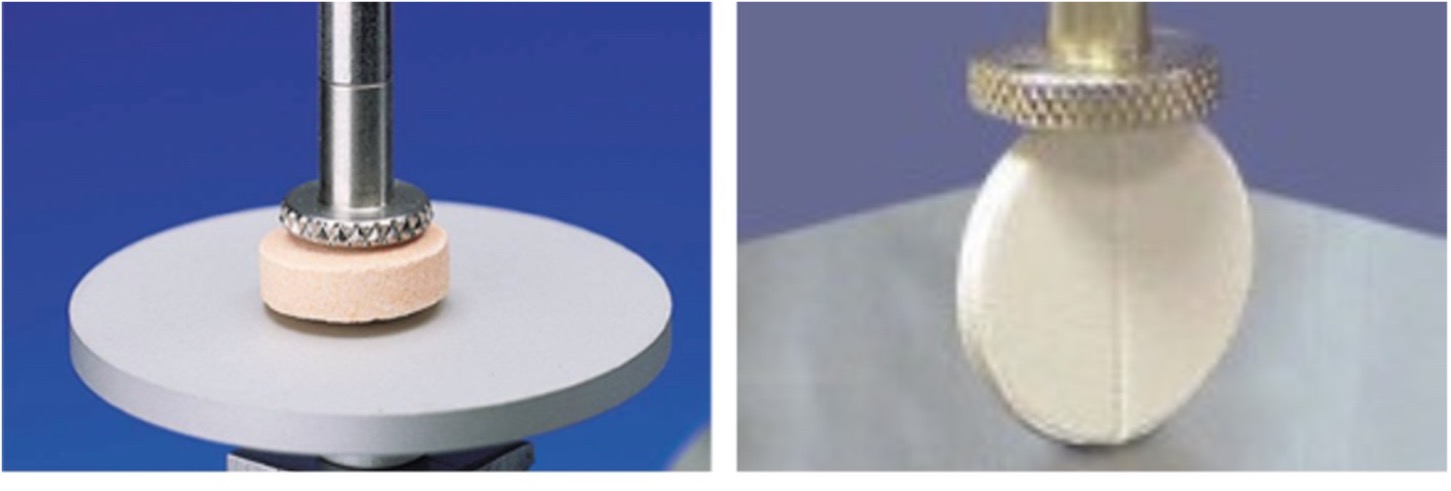
- ✓ Tablets and pills
- ✓ Medical vials

Packaging
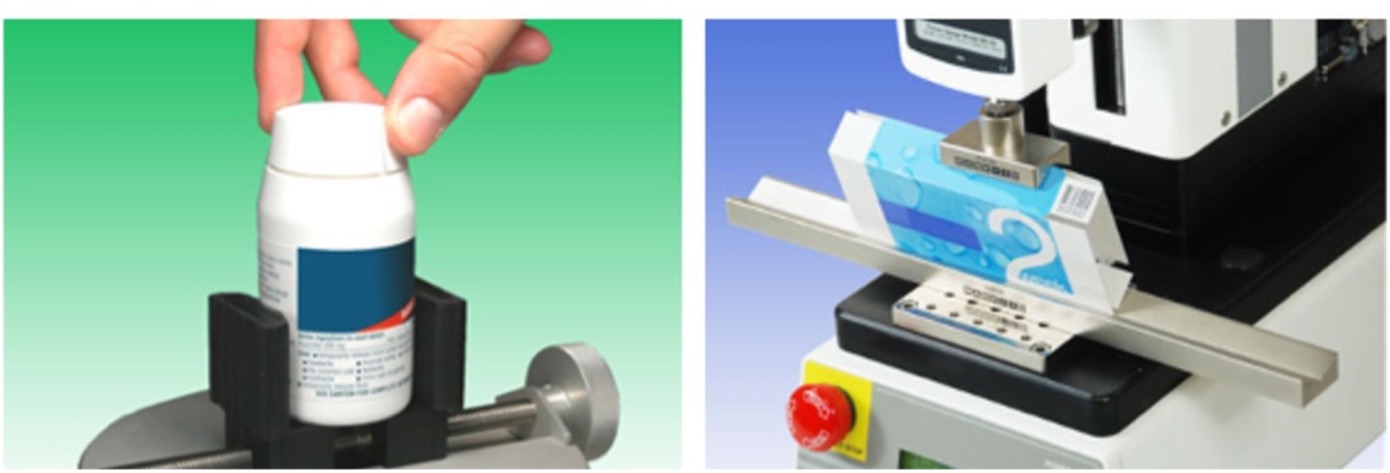
- ✓ Pill bottles and caps
- ✓ Flexible pouches
- ✓ Blister packs
- ✓ Tamper-evident seals
- ✓ Diagnostic test kits
- ✓ Medical device boxes
Depending on the product or device, and where it is made and shipped, manufacturers may need to adhere to ISO, FDA, European MDR, and other industry-specific requirements, or a combination thereof. Complying with relevant standards is critically important. When devices malfunction due to inadequate testing, the consequences can be fatal:
- Surgical complications from failed instruments or implants
- Bacterial infections borne from contaminated tools that were housed in inadequately sealed packaging
- Medication delivery failures
These outcomes don’t just put patients at unnecessary risk – they can also harm manufacturers financially and reputationally. In the U.S., the FDA may recall non-compliant products and issue steep fines. Particularly egregious transgressions can also permanently damage an organization’s reputation or significantly impair its ability to conduct business.